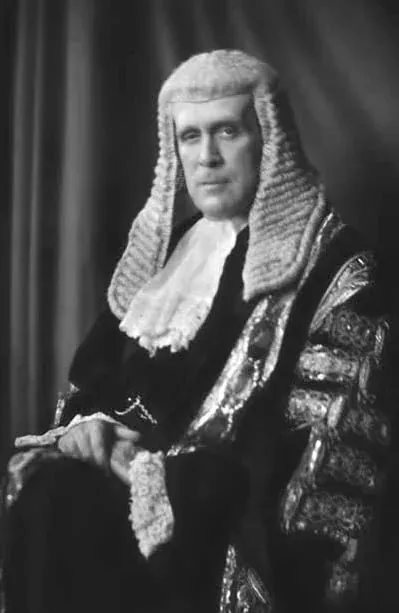
“I hold that to admit a woman as an advocate, that is, as one who pleads before judges and juries in open court, would be nothing short of a breach of public order and a violation of good morals and public decency. Let us imagine, for a moment, a woman appearing as counsel in a trial for rape, obliged to ask the complainant the questions that are absolutely necessary to prove the acts that make up the crime. No woman with the slightest sense of decency could do so without tarnishing her own dignity and bringing contempt upon the honor due to her sex.”
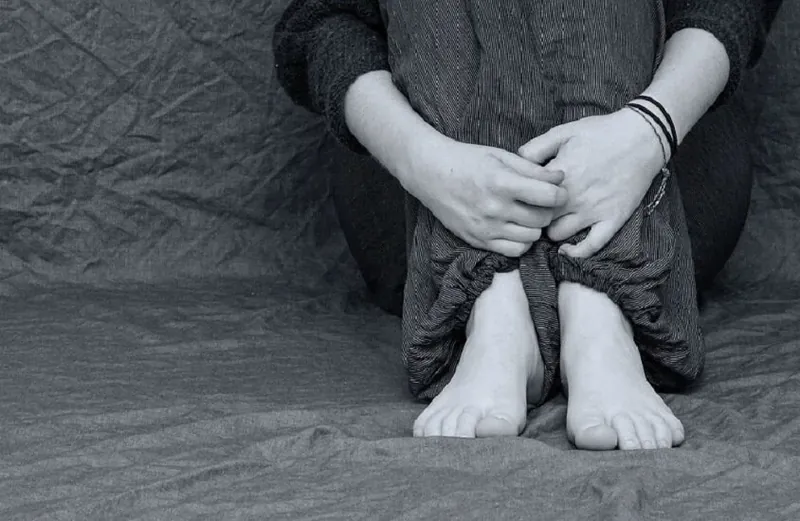
A murmur ran through the gallery. Patricia sat very still. She thought of her uncle’s bedroom door. She thought of the corridor outside Professor Leblanc’s office. And she thought that if any woman in this province ever had the misfortune to stand in a courtroom and tell a room full of men what had been done to her, she might be grateful to see another woman standing beside her.
“For all these reasons, the petition is dismissed with costs. The evidence before me shows that the petitioner is a young woman of good moral character and considerable ability. After what I have said, she will no doubt understand that her ambition should be directed toward a field of work more suited to her sex, where her excellent conduct and her talents will surely bring her success.”
Behind Patricia, someone’s umbrella fell to the floor with a clatter, and nobody picked it up. In the front row, a woman in a gray hat had torn her program into small, neat squares without seeming to know it. The judge looked up at the gallery once, at all those faces, and then he gathered his papers, rose and left the bench without another word.
Mrs. Scott reached over and took Patricia’s hand. Patricia noticed, as if from a great distance, that her own hand was perfectly steady and that Mrs. Scott’s was shaking. Mr. Jacob sat with his head bowed and his hands flat on the table in front of him, and for a long while he did not move them.
“A field of work more suited to her sex,” Patricia said at last, very quietly. “He means typing, Mrs. Scott. I’ve done that. I did it for five years to pay for this.”
From Chapter 24